
Grain Above the Clouds
Step into thin air with a camera loaded and boots laced. In Film Photography in the Mountains: An Alpine Shooter’s Field Guide, we explore practical techniques, honest field stories, and resilient workflows for chasing high-contrast peaks, volatile weather, and shimmering alpine light. Expect candid tips on exposure, stocks, filters, safety, and creative choices, plus open invitations to ask questions, share your favorite frames, and compare notes from summits you’ve loved, storms you’ve outrun, and quiet dawns that taught patience and respect.

Reading Harsh Light Where Snow Meets Sky
High country light is ruthless, shape-shifting with wind-whipped clouds and reflective snow that tricks meters into dull, underexposed frames. Learn to recognize contrast you cannot tame, protect essential detail, and craft exposures that honor texture and glow. We’ll weigh the strengths of negative versus transparency emulsions, practice incident and spot metering, and build muscle memory for compensation that feels second nature. Chime in with what works for you when a blinding cornice meets a cobalt horizon and the scene begs for bravery.
Stocks, Filters, and the Color of Thin Air
Altitude cools color, deepens blues, and amplifies ultraviolet bite, rewarding thoughtful stock choices and smart filtration. Color negatives like Portra or Ektar absorb contrast gracefully; slides like Provia or Velvia demand accuracy but sparkle with crystalline punch. Black-and-white emulsions such as Tri-X or HP5 carve drama from ridges and cloudbanks, especially with yellow, orange, or red filters. Polarizers tame glare from snow and lakes, while UV or warming filters soothe relentless alpine blues. What combinations have carried your vision above treeline?
Cold-Proof Gear and Mountainproof Habits
Cold stiffens lubricants, brittles film, and drains batteries, especially in handheld meters. Favor mechanical shutters when possible, and advance gently to prevent emulsion cracking. Keep spare batteries close to body heat, and seal your camera in a bag before entering warm huts to dodge condensation. Tripods need spikes, straps need redundancy, and bags should open cleanly with gloves. Build a ritual for lens caps, filters, and cable releases. Share the tiny habits that prevented catastrophic drops and saved a roll at minus ten.
Keeping Meters Alive and Film From Snapping
Light meters fade fast in cold, so ride backups and tuck spares against your base layer. For film transport, rewind slowly and avoid rapid advances when temperatures plummet. Pre-cut leader with care and handle cassettes delicately with thin liners inside gloves. If shutters lag, cycle them gently before committing a frame. A simple chemical hand warmer can become essential insurance. How do you stage your workflow so every reading and advance remains intentional, measured, and safe when ice crust crackles beneath your boots?
Tripods, Spikes, and Anchors in Ridgetop Gusts
Stable footing transforms exposure choice from fear into freedom. Extend the thickest tripod sections first, seat spikes into crust, and lower your center of gravity. Hang a discreet weight, but avoid swinging bags that invite blur. Use a cable release or self-timer, and consider mirror lock-up when possible. Protect legs from drifting snow packing the locks. Tell us which heads remain trustworthy with gloves and how you keep horizon discipline when the gusts hunt your balance along knife-edge approaches or boulder-strewn saddles.
Packing Smart: Access, Weight, and Redundancy
Every gram demands justification above treeline, yet access matters when light ignites ridges for seconds. Build a top-layer kit with body, two lenses, filters, meter, and a spare roll within reach. Keep more film and tools deeper, protected from blows. Redundancy should be thoughtful, not burdensome: a second body can be salvation if shutters freeze. Color in one, monochrome in another saves time. What packing map helps you find essentials without dumping gear into spindrift, and how do you track spent rolls?

Compositions That Breathe Thin Air
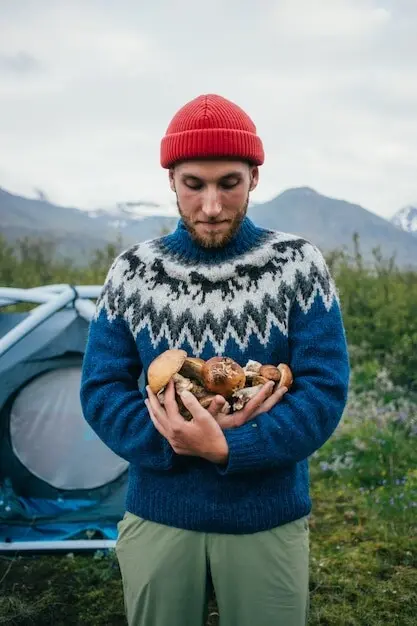
Mountains punish clichés and reward patience. Seek scale by placing a hiker against a glacier, or invite quiet with generous negative space above a solitary peak. Layer ridges for depth and guide the eye along switchbacks or river braids. Work foreground texture—tundra, lichen, or scree—to anchor distance. Wait for cloud breaks that carve light into legible shapes. Share your strategies for storytelling when altitude compresses breath, and how you decide between intimate textures and grand, cathedral-like panoramas under a restless sky.

Long Exposures, Stars, and Moving Elements
Night arrives with crystalline air, restless wind, and reciprocity quirks. Learn your stock’s long-exposure behavior and carry a small chart or trusted app. For star trails, lock stability and record temperature notes to interpret results later. Moving water requires neutral density and thoughtful timing to protect texture without erasing character. When gusts threaten everything, prioritize what motion matters to your story. Share your proven exposure corrections, favorite shutters for moonlit snowfields, and lessons from frames that almost worked but taught resilience.
Field Safety, Ethics, and Keeping the Story Alive
A photograph is never worth a risky traverse or a rushed decision. Plan routes, set turnaround times, and check avalanche forecasts where applicable. Carry navigation backups, sun protection, layers, and enough calories to linger when light finally arrives. Practice Leave No Trace, respect wildlife distance, and keep sensitive locations discreet. After the hike, preserve film from airport scanners, log intentions, and invite conversation. Share your safety rituals, subscribe for deeper field reports, and help newcomers blend craft, humility, and mountain joy.


All Rights Reserved.